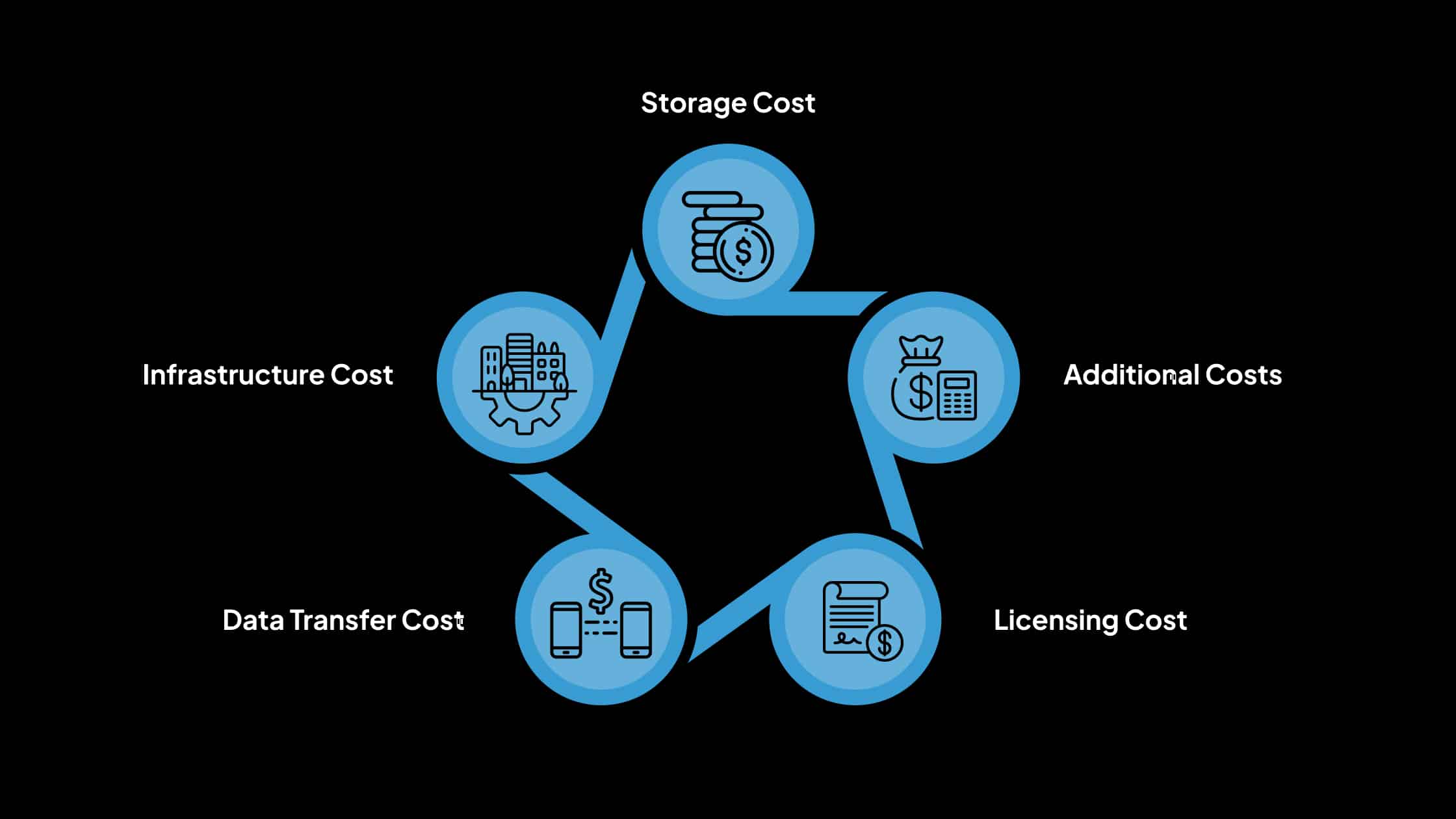
AI cloud cost control is both a platform challenge and a product decision problem.
Teams overspend when model usage scales faster than observability and routing discipline.
Start with cost visibility by workflow
Track cost at the workflow level, not only by account or service:
- cost per successful user outcome
- cost per API call by model tier
- context-window cost contribution
- vector search and retrieval overhead
Without this breakdown, optimization efforts are mostly guesswork.
High-leverage optimization tactics
- Cache responses for repeated low-variance intents
- Route simple tasks to smaller/cheaper models
- Trim prompts and context windows aggressively
- Batch offline inference and summarization jobs
- Enforce token budgets by endpoint
Architecture patterns that reduce waste
- use retrieval filters to cut irrelevant context
- add confidence-based fallback chains
- move non-urgent generation to asynchronous queues
These patterns can cut spend significantly without harming user experience.
Guardrail metrics
Monitor:
- cost per retained user or resolved ticket
- latency impact after optimization
- quality regression after model routing changes
The goal is not lowest cost at any price. It is best unit economics at acceptable quality.
Explore related services
If this topic matches your roadmap, these service areas are a good next step.